

Loading Dock Repair - Boise, ID
Loading Dock Repaired in One Visit - Door, Leveler, and Seal Diagnosed Together
No three separate service calls to restore one bay - full dock diagnosis on arrival.
- 1 visitdoor, leveler and seal diagnosed together
- 2-4 hrsfor most single-bay calls
- <10 minfrom the I-84 industrial access points
One Bay Down Costs More Than One Bay
A single failed dock bay ripples through every shift that follows it.
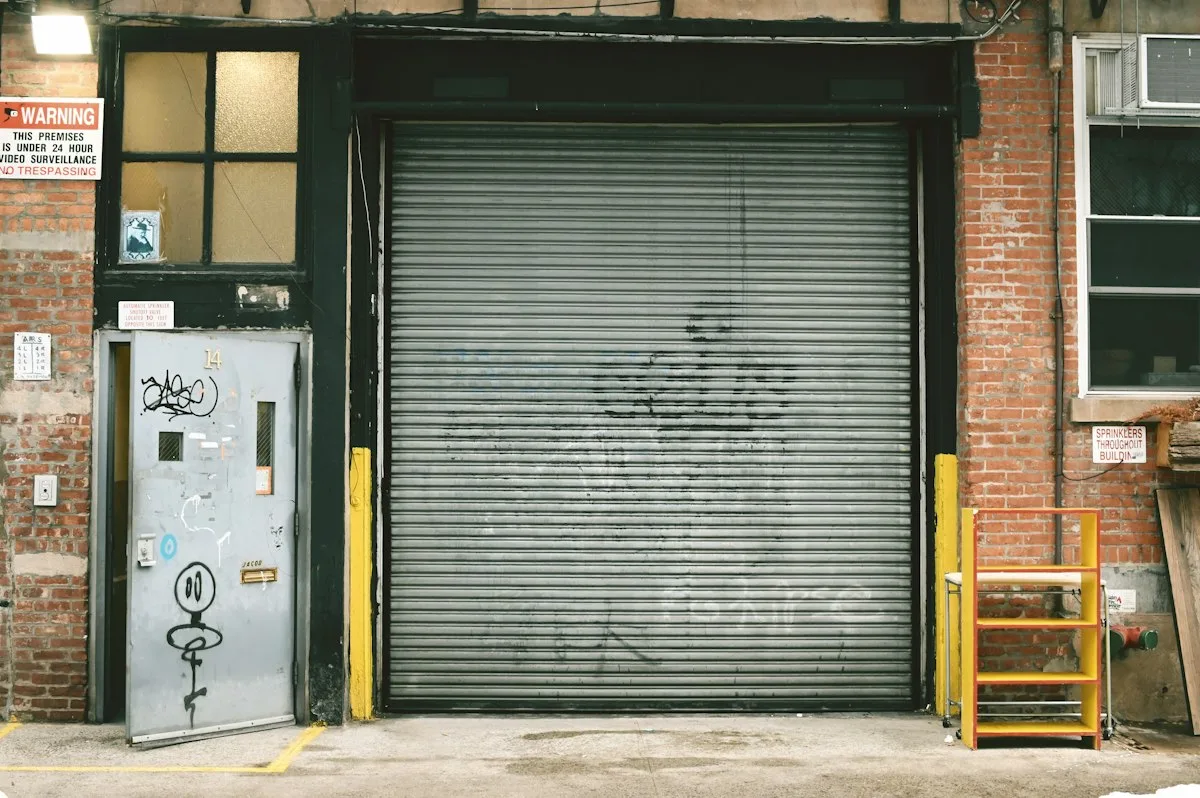
When a dock door in Boise won't open fully, or a dock leveler - the mechanical plate that bridges the gap between your dock floor and an incoming truck bed - won't seat correctly, the rest of your bays absorb the load. Product backs up. Receiving slows. Your team works around the problem before a repair call even goes out.
Boise Garage Door Repair Inc diagnoses the entire dock bay - door, leveler, and seal - in one visit. The dock seal is the foam or fabric perimeter seal that closes the gap between a trailer and the dock opening. It controls temperature, blocks dust, and keeps loading efficient. All three components get checked before any repair is quoted.
That's not a courtesy. That's how dock systems actually fail. One component rarely goes down alone.
Dispatching Directly Into Boise's Industrial Corridors
We're less than 10 minutes from the I-84 industrial access points and Overland Road warehouse clusters.
Our dispatch location at 5402 W Overland Rd puts us inside the primary commercial and distribution zone of the Boise metro. We route directly along the corridor where most of our commercial dock calls originate - no detours through residential neighborhoods to reach your facility.
When a bay at a warehouse along Overland or off the I-84 industrial interchanges goes down mid-shift, we can have a technician on-site faster than most facilities expect from a commercial repair provider.
Boise's warehouse sector has grown steadily since the mid-2010s. Receiving docks in this market run long hours, and the mechanical components that take that daily cycle count - springs, leveler plates, door bottom seals - wear at a pace that matches the operation, not the calendar.
How a Full Dock Bay Diagnostic Actually Works
Every repair call starts at the door and works through every contact point before a quote is written.
I've walked into facilities where the work order said "leveler won't seat." By the time I finished the full bay check, we had a dock leveler issue plus a dock door that was binding in the track and a bottom seal that had torn away from one corner. The facility had been compensating for the door bind for weeks by adjusting their approach angle. They didn't even flag it as a problem anymore.
That's the pattern in Boise-area warehouse and distribution facilities. The team adapts around a slow failure. The repair call goes out for the obvious component - usually whatever finally stopped the shift - and the underlying wear on the rest of the system gets missed.
Here's what most facilities managers don't realize about dock door repair: the dock door and the leveler share load stress on every cycle. A dock door - the commercial overhead door mounted at the bay opening - takes direct contact from dock traffic and runs cycle counts that residential springs aren't rated to handle. We spec high-cycle springs for these applications. A high-cycle spring is rated for significantly more open/close operations than a standard residential spring, and it's the right component for any bay running two or more shifts daily.
The leveler is where I spend the most time on a first visit. A mechanical dock leveler - the spring-assisted type you manually activate - is the most common configuration in Boise's warehouse stock. The spring tension in these units drifts under sustained daily use. An out-of-calibration leveler doesn't always fail dramatically. It seats slightly off, requires more force to activate, and eventually puts lateral stress on the bay frame.
By the time I've walked the full dock bay - door, leveler, seal, bumpers, and track - I know exactly what's failing, what's at the edge of failure, and what's fine. That's the quote. No return visits to discover more problems.
One dock bay, from the side
Commercial Invoicing Handled Like a Commercial Account
ACH and bank transfer accepted - no card-only friction on your accounts payable.
Most commercial facilities run vendor payments through ACH or bank transfer. Boise Garage Door Repair Inc accepts both, along with check, credit card, cash, and Zelle. Your accounts payable team doesn't need a workaround to close out a repair invoice.
That matters more than it sounds for multi-bay facilities that run repair and maintenance vendors through a purchase order system. We work inside that process. When you need documentation for a quote or invoice, we provide it in a format that moves through commercial approval channels without extra back-and-forth.
Our Standards for Commercial Dock Repair
Every component we touch meets the cycle and load requirements of an active receiving dock.
Dock doors spec'd for commercial clearance heights and daily cycle counts specific to the bay's operation
High-cycle springs installed on all doors running multi-shift operations - not residential-grade hardware
Mechanical dock levelers calibrated to manufacturer spring tension specs, not visual approximation
Dock seals inspected for full perimeter contact, not just the visible tear or gap
Track alignment checked on every door service - binding tracks compound leveler and spring wear
All hardware torqued to spec before sign-off; nothing is left hand-tight
We quote the full bay. That's how facilities avoid booking a second call two weeks later.
Execution Protocol: Loading Dock Repair
Our three-phase process restores the full dock bay, not just the part that failed first.
- 01
Dock Bay Diagnostics
We start at the door. Track condition, spring tension, cable integrity, and panel alignment are checked before we test the leveler. The dock leveler spring tension is measured against the manufacturer's rated activation force. We check the dock seal on all four sides - top, both jambs, and the bottom transition - because a seal that looks intact from inside the building often has a pulled corner or compression failure on the trailer-contact face.
Bumper condition and height are noted. If a bumper has compressed unevenly, it changes how trailers seat against the bay and affects leveler function.
- 02
Component Repair Sequence
Repairs follow component priority. If the dock door is binding, it gets corrected before we adjust the leveler - because a door that tracks true changes the load the leveler sees on each cycle. High-cycle spring replacements are done as a paired set on torsion systems. Leveler spring replacement or hydraulic service is completed to the unit's full rated capacity. Seal repairs use materials rated for the dock's temperature differential - Boise's swing from summer highs to winter lows means seal compression materials matter.
- 03
Bay Sign-Off Testing
Every bay gets a full operational test after repair. We cycle the door through its full range of motion. We activate the leveler through a simulated load sequence and check for full plate travel and return. Dock seal compression is checked with the bay door in closed position. We don't leave until the bay is running clean.
Areas We Serve
We serve commercial facilities throughout the greater Boise metro and surrounding region.
Our primary commercial dock repair coverage includes Boise, Meridian, Nampa, Caldwell, Garden City, Eagle, Star, Kuna, Middleton, and Mountain Home. We also serve Twin Falls and the I-84 corridor communities including Ontario, Payette, and Fruitland. If your facility is in the greater Boise metro area, call us.
Get Your Dock Bay Back in Service
One call gets the whole bay diagnosed - door, leveler, and seal, all in one visit.
Boise Garage Door Repair Inc responds to commercial dock repair inquiries in under 15 minutes. Call (208) 480-5077 or email info@boisegaragedoorsrepair.com. Have your facility address ready. That's all we need to get started.
Frequently Asked Questions
Dock repair costs vary by component - a mechanical leveler recalibration runs less than a full dock door spring replacement. Most single-bay calls fall into a diagnostic-first model: the technician quotes after walking the full bay, not before. This prevents paying for one fix and discovering a second failure a week later. Have your facility address ready when you call; that's all we need to start.
Most single-bay calls are completed in two to four hours from arrival. The diagnostic covers door, leveler, and seal before any repair begins. If parts are on the truck - high-cycle springs, seal material, leveler hardware - the repair follows immediately. Facilities don't need to schedule a second visit for parts delivery on standard component failures.
A dock door that binds or tracks unevenly changes the load the leveler absorbs on every cycle. Fixing the leveler without correcting the door means the leveler fails again faster. Every bay diagnostic starts at the door and works inward - door, leveler, seal, bumpers - because each component affects how the others perform under daily shift loads.
Yes - service covers the full greater Boise metro, including Nampa, Caldwell, Meridian, Mountain Home, and Twin Falls. Commercial accounts in the I-84 corridor outside Boise proper are part of our standard coverage area. Dispatch from 5402 W Overland Rd puts technicians on the road toward any of these markets without a residential detour.
ACH and bank transfer are both accepted - no card-only workaround required. Commercial repair invoices are documented in a format that moves through standard purchase order approval channels. Facilities that run vendor payments through accounts payable can close out a dock repair invoice the same way they handle any other commercial vendor. Check, credit card, cash, and Zelle are also accepted.
A standard repair visit addresses the one component on the work order. A full bay diagnostic checks every contact point - door, leveler, seal, bumpers, track - before any quote is written. In active warehouse facilities, the reported failure is often the last symptom, not the first. One visit that finds everything costs less than two visits that each find something new.