

Non-Insulated Single-Car Garage Doors in Boise, ID
A Detached Garage Deserves a Door Matched to How It's Actually Used
Storage, utility, or parking - we spec the door to the structure, not a default catalog choice.
- 25-gaugeouter skin minimum for detached garages
- 8-10 ftstandard single-car width; older openings vary
- 5 cyclesfull open-close test before we leave
The Right Door for a Detached Garage Is a Non-Insulated One
A non-insulated single-car garage door is the correct, cost-appropriate specification for most detached garages in Boise.
A non-insulated (single-layer) door - meaning one made from a single layer of steel without foam or polystyrene fill - costs less, weighs less, and performs exactly as needed when there's no heated space to protect. If your detached garage holds lawn equipment, a second vehicle, or a weekend workshop with its own heater, you don't need thermal performance built into the door itself. You need durability, correct sizing, and a panel profile that handles Idaho's UV exposure and occasional hail without deteriorating in five years.
This isn't a compromise. It's a correctly specified product for a specific building type. Boise Garage Door Repair Inc matches the door to the structure's actual use - not to a default catalog option or an upsell.
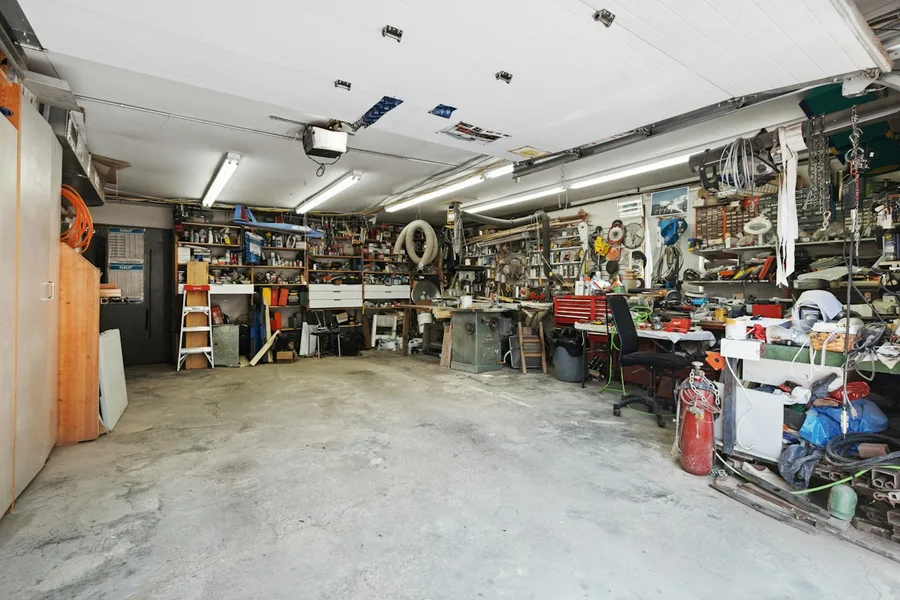
Single-Car Garages Across Caldwell, Nampa, and Emmett Are Our Home Turf
Detached single-car garages are extremely common in older neighborhoods across the greater Boise area - and we know what those openings actually require.
Established properties in Caldwell, Nampa, and Emmett often have detached garages built in the 1950s through 1980s. These structures frequently have non-standard single-car opening widths. A standard single-car opening runs 8 to 10 feet wide - but older garages in these communities sometimes come in at 7'6", 9'6", or other dimensions that don't match modern catalog sizes without modification.
We measure the actual opening before quoting anything. Rough opening height, width, headroom, and side room all factor into whether a catalog door fits clean or needs a custom-width order. Getting that wrong adds cost and delay. Getting it right the first time is the only way we do it. Boise Garage Door Repair Inc serves properties across this corridor daily - the measurement step is never skipped.
What I Look For When I Walk Up to a Detached Garage Door Job
Every single-car replacement starts with a read of the building - not a price sheet.
I pulled up to a property in Nampa last spring. The homeowner had a detached garage at the back of a long driveway - built sometime in the 1960s based on the framing. The existing door was a two-section wood door that had warped badly over multiple Idaho summers. The bottom section had split at a panel joint. The whole thing was sticking in the track on hot days and barely moving on cold mornings.
First thing I did was measure the opening. It came in at 9 feet wide - not the standard 9-foot order, but the actual rough opening was 108 inches with framing that had shifted slightly out of square over sixty years. If we'd ordered a standard 9-foot door without accounting for that shift, the bottom corners wouldn't have sealed.
The homeowner asked about insulated doors. I told her the truth: the garage had no connection to the house's heating system, no HVAC of its own, and was used exclusively for storage and a chest freezer. A non-insulated single-layer steel door - in a 25-gauge outer skin - would serve that structure well because the weight-to-panel-strength ratio suited the older track system. We also selected a panel profile with a raised center section rather than a flush face, because surface water drains off raised profiles faster during Boise's spring rain events.
Here's what many homeowners don't realize about detached garage doors: the insulation value of the door itself barely moves the needle on a detached structure. What actually matters is gauge, profile, and whether the factory paint system is rated for UV exposure in a dry, high-sun climate like the Treasure Valley. Idaho's summer UV index regularly hits 9 or above - that's the same level as coastal Florida on a clear day. Cheap factory finishes chalk and peel within two or three seasons under that exposure.
The Nampa job came out clean. Correct fit, correct gauge, sealed bottom, and a finish that would hold up. That's the standard.
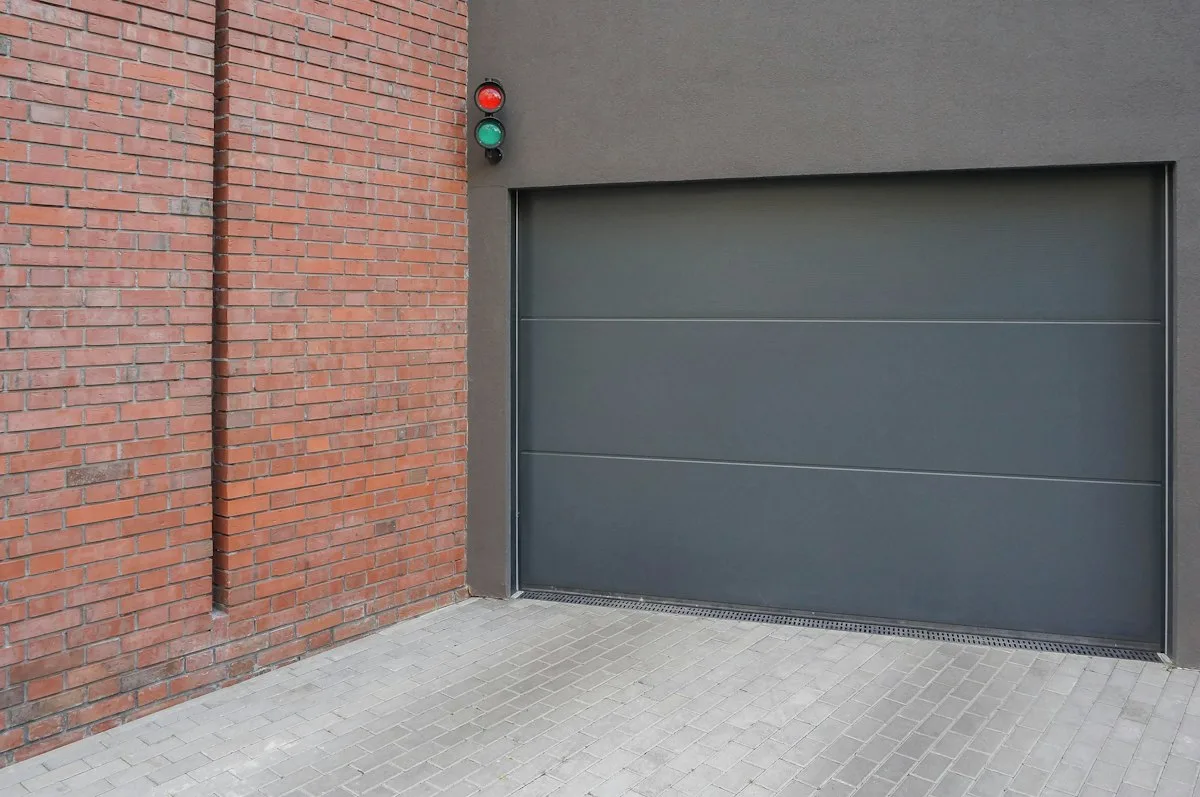
Steel Gauge Selection Is the Detail That Actually Matters Here
Choosing the right steel gauge for Idaho conditions is how a non-insulated door earns its lifespan.
Steel gauge selection - choosing the steel thickness for a door's outer skin - has a direct impact on how long the door holds up to Idaho's wind-driven debris, occasional hail, and high-UV summers.
Here's how we think about it: a 27-gauge or 28-gauge door is lighter and costs less up front, but it dents more easily and the thinner steel gives way faster under repeated thermal cycling between cold Boise winters and hot July afternoons. A 25-gauge door adds meaningful surface resistance without adding enough weight to stress an older single-car track and spring system.
We don't default to the thinnest option. We choose gauge based on the structure's spring system capacity and the site's actual exposure. That's the transparent approach - and it's what we bring to every single-car garage door replacement in Boise and the surrounding communities.
Our Standards for Non-Insulated Single-Car Door Replacement
Every steel single-car garage door we install in Boise meets specific material and installation standards - not just minimum catalog specs.
What we require on every non-insulated single-car door installation:
Steel gauge: 25-gauge outer skin minimum for exterior-exposed detached garages in Idaho's climate
Factory paint system: UV-stabilized finish rated for high-sun, low-humidity environments like the Treasure Valley
Galvanized steel hardware: Hinges, rollers, and end stiles must be galvanized - not bare steel - to resist surface corrosion from road-salt splash near driveways
Panel profile match: Profile selected based on water drainage characteristics and visual compatibility with the structure
Bottom seal: Full-width weather seal installed at the base of every door - even on non-insulated doors for detached garages - to block debris, rodents, and wind-driven rain
Spring system sizing: Springs sized to the actual door weight, not the nearest standard size
3Three coats of factory paint. Not two. Corrosion resistance - defined as how well the door's steel surface and hardware resist oxidation over time - starts with galvanized components before the first coat is ever applied.
How a Single-Car Garage Door Replacement Works With Us
From the first measurement to the final safety test, every step is documented and verified.
- 01
Diagnostics
We start with a site visit and a full measurement of the rough opening: width, height, headroom above the opening, and side room on both jambs. On older Boise and Caldwell properties, we also check the floor level across the full width of the opening. An out-of-level floor by even half an inch affects how the bottom seal sits and whether water infiltration becomes a seasonal issue. We photograph the existing track, spring system, and header bracket before touching anything.
For detached garages, we also check the existing opener's compatibility - or note if no opener is present and the customer is adding one during replacement. That changes the hardware spec on the new door.
- 02
Implementation
The old door comes out in sections. We inspect the horizontal and vertical tracks before reusing them. If the tracks are out of alignment - track alignment being the process of confirming rails are level, plumb, and properly spaced - we correct that before hanging the new door. New doors don't fix bad tracks. We set the new sections, connect the spring system to the correct tension for the door's actual weight, and attach the bottom seal across the full width of the opening.
- 03
Post-Service Testing
We run the door through a full open-close cycle five times. We test the auto-reverse safety feature if an opener is present. We check the bottom seal contact across the full floor width - not just at center. If anything in the balance is off, we adjust spring tension before leaving the site. Every job closes with a manual operation check, because power outages happen and the door has to work by hand too.
Areas We Serve
Boise Garage Door Repair Inc installs and replaces non-insulated single-car garage doors across the greater Boise area.
We serve Boise, Meridian, Nampa, Caldwell, Garden City, Eagle, Kuna, Star, Middleton, Emmett, Melba, Notus, Parma, Marsing, Homedale, Mountain Home, Weiser, Glenns Ferry, Payette, New Plymouth, Fruitland, Twin Falls, and surrounding communities. Detached single-car garage replacements are a regular part of our work across every neighborhood in this service area.
Ready to Replace Your Single-Car Garage Door?
The right non-insulated steel door for your detached garage is one site visit and a fast quote away.
Call Boise Garage Door Repair Inc at (208) 480-5077 or email info@boisegaragedoorsrepair.com. We respond to website leads in under 15 minutes. We accept cash, check, credit card, ACH, and Zelle - no payment friction on straightforward replacement jobs. Tell us your address and we'll handle the rest.
Frequently Asked Questions
Non-insulated single-car doors are the correctly specified product for detached garages - not a downgrade. Detached structures have no thermal connection to your home's heating system. Adding insulation to the door itself delivers near-zero measurable benefit in that situation. We spec doors to match actual use, not to pad an invoice.
Specific pricing for non-insulated single-car door replacement varies by door size, gauge, and opening requirements. Call (208) 480-5077 for a fast quote. We respond to website leads in under 15 minutes and need only your address and phone number to start.
Most single-car door replacements are completed in one visit, typically two to four hours on-site. Scheduling depends on door availability and whether your opening requires a custom-width order. Older Boise-area properties sometimes need non-catalog sizes, which adds lead time. We confirm the full timeline after measuring your opening.
25-gauge steel resists denting from wind-driven debris and hail better than thinner 27- or 28-gauge options. Idaho's UV index regularly hits 9 or above in summer - thin factory finishes on lighter-gauge doors chalk and peel within a few seasons. Gauge selection directly affects how long the door holds up without repainting or patching.
Yes - non-standard openings are common on pre-1980s detached garages throughout Caldwell, Nampa, and Emmett. We measure rough opening width, height, headroom, and side room before quoting anything. If your opening falls outside catalog sizes, we order a custom-width door. Nothing gets ordered until measurements are confirmed on-site.
Every installation includes spring sizing matched to actual door weight - not the nearest standard size. Track alignment, bottom seal contact across the full floor width, and a five-cycle safety test are all verified before we leave. Big-box purchases leave spring sizing, track condition, and seal fit entirely to the buyer.